
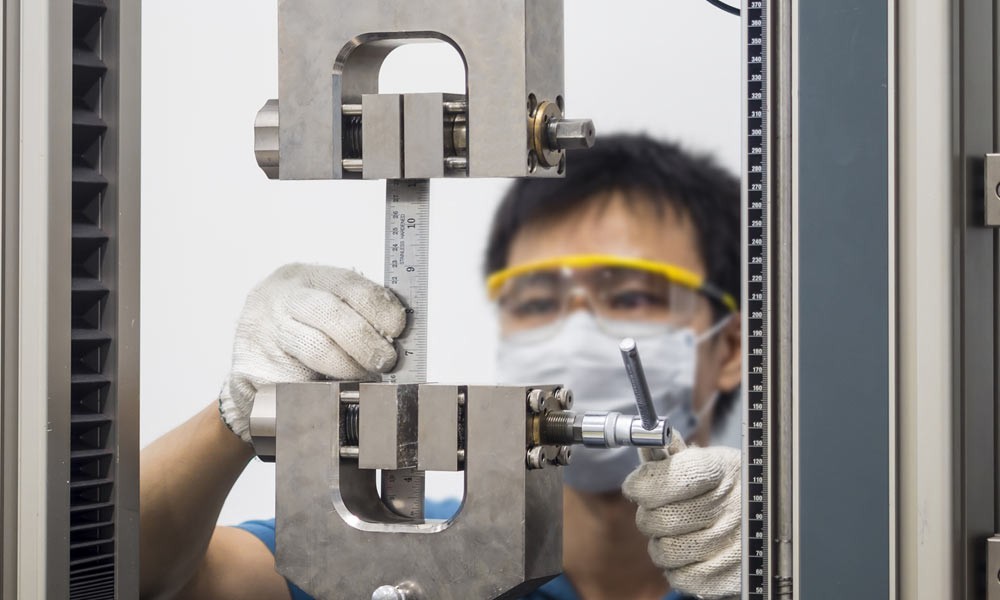
Material testing laboratories are important in the assurance of product quality and safety in various industries. These facilities use special machinery and techniques to determine that materials are at specifications and standards required. This article discusses the services that the material testing laboratories in Singapore are necessary to offer. Knowledge of these services assist the manufacturers and engineers to choose the right testing procedures to use in their services.
Discussing the services to expect from material testing labs
Mechanical properties testing
The mechanical testing establishes the reaction of materials to different forces and states in the process of utilization. These tests give sufficient information to the design and quality control processes. The following are the major mechanical testing services provided:
- Tensile strength analysis: This is quantified to identify the ultimate strength, ductility and to determine the breaking force of the materials.
- Hardness measurement: Measures material resisting indentation and wear by measuring them on a standardized scale.
- Impact resistance testing: the methods test the materials subjected to sudden forces with Charpy and Izod pendulum.
- Compression testing: It is used to determine behavior at crushing loads of structural-use materials.
- Fatigue testing: Tests the material durability during many cycles of loads during long periods.
Metallurgical and material characterization
In order to predict the performance and establish possible failure modes, the material microstructure must be understood. The internal structures which are determined by metallurgical analysis are affecting the mechanical properties. The following are the services of characterization:
- Microscopic examination: High magnified images are used to identify the structure of grains, inclusions and distributions of phases.
- Failure analysis: Systemic examination of failed parts to establish the causes of failure or fractures or degradation.
- Corrosion testing: Testing of material against the different levels of corrosive conditions and environments.
- Coating thickness measurement: Checks on protective coats that are put on components to ensure that they are durable.
- Heat treatment verification: It is confirmation that thermal processing had desired changes in microstructure.
Non-destructive testing methods
Non-destructive testing enables inspection of parts to be done without destruction of useful parts. These techniques discover internal and surface defects before the failures occur. These are the non-destructive testing services:
- Radiographic testing: X-ray can be used to identify defects within the interiors such as voids, cracks and inclusions.
- Ultrasonic inspection: The inspection of sound waves identifies internal defects and the thickness of the material.
- Dye penetrant testing: Surface cracks are detected by the use of colored dye, which flows into fissures.
- Magnetic particle inspection: Can detect surface and near surface flaws in ferromagnetic items.
- Computed tomography scanning :It involves 3D internal based imaging that gives a comprehensive volumetric analysis of components.
To sum up
material testing lab singapore undertakes crucial tasks of checking quality and safety of products in any given industry. Manufacturers are assured of their materials due to the combination of mechanical, metallurgical, non-destructive, chemical, and environmental tests. The choice of a certified laboratory that has the relevant capacities will guarantee credible data that can be used in making informed decisions as far as engineering is concerned.